
As a Senior Mechanical Systems Specialist with over 14 years of field experience, I know that when homeowners decide to upgrade an appliance, the first question is almost always about cost. It’s a practical and important question. You’re excited about that new gas stove or dryer, but you need to understand the full financial picture before you commit. This is especially true as we head into the holiday season, when a reliable kitchen is more important than ever.
My goal here isn't to sell you anything, but to give you a transparent, professional look at what goes into pricing a gas line installation in the Pelham area. We'll break down the numbers, explore the factors that influence the final price, and empower you with the right questions to ask any contractor. Let’s make sure your project is done safely, correctly, and with no budget surprises.
Average Costs in Pelham
In Pelham, we see a lot of home renovation and appliance upgrades, which is fantastic for modernizing homes. However, pricing for gas line work isn't one-size-fits-all. A simple hookup is very different from running a new line across the house. Based on the hundreds of projects our technicians handle, here are some realistic price ranges you can expect.
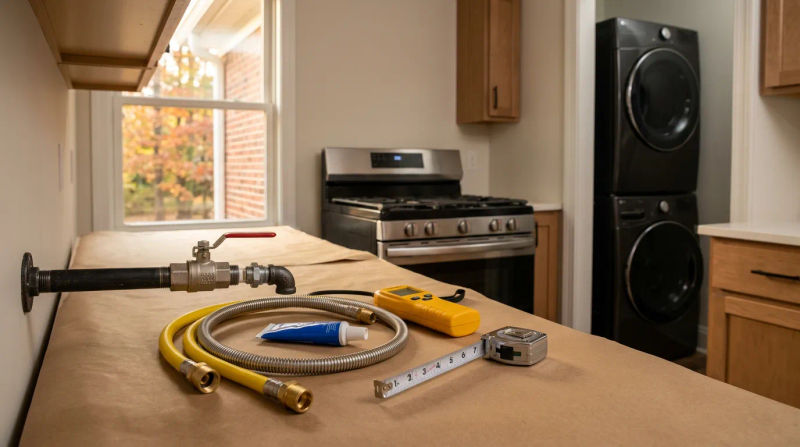
- Simple Appliance Hookup ($150 - $300): This is for a straightforward natural gas appliance hookup Pelham where a gas line with a shutoff valve is already in place next to the appliance location. The job involves connecting the new appliance with a flexible connector, testing for leaks, and ensuring proper function. It’s a relatively quick job for a qualified technician.
- Standard New Line Installation ($400 - $800): This is the most common scenario for a new appliance. This price range typically covers running 10-20 feet of new gas pipe from an existing line to the new location. The stove gas line cost Pelham AL often falls into this category, especially if our crews can run the line through an accessible basement or crawlspace. This price includes materials, labor, and thorough leak testing.
- Complex or Long-Distance Installation ($800 - $1,500+): Costs increase when the job gets more complex. This could involve running a line more than 20-30 feet, drilling through multiple walls or floors, or navigating finished basements and tight attics. The price goes up due to the additional labor and materials required to do the job safely and without damaging your home.
- New Gas Shutoff Valve ($125 - $250): Every gas appliance requires its own dedicated shutoff valve for safety. If an old one needs replacing or a new one needs to be added to an existing line, the gas shutoff valve installation price is generally in this range when done as a standalone job. It's often included in the cost of a new line installation.
Disclaimer: These are estimates for planning purposes. The final cost will depend on the specific factors of your home.
Factors That Affect Price
The price ranges above are a good starting point, but what pushes a job from $500 to $1,200? It comes down to a few key variables that we assess during every on-site estimate.
1. Distance and Pipe Diameter The farther the new appliance is from the existing gas supply (like your meter or another appliance manifold), the more pipe is needed. This increases both material and labor costs. The pipe must also be sized correctly for the appliance's demand (measured in BTUs) and the total length of the run to ensure adequate pressure.
2. Accessibility and Home Structure This is a major cost driver. Is the line running through an open, unfinished basement or a spacious crawlspace? That's relatively simple. Does it need to be routed through finished drywall, across ceiling joists, or around existing ductwork? That requires more time, care, and precision. Many homes in Pelham were built in the 1970s, often as bi-levels or two-story colonials on wooded, hilly lots. For these properties, routing a new line might mean navigating split-foyer layouts or working in crawlspaces on sloped terrain, which can add complexity and labor time.
3. Materials Used Traditionally, black iron pipe has been the standard for gas lines. It's durable and reliable but requires cutting and threading on-site, which is labor-intensive. A more modern alternative is CSST (Corrugated Stainless Steel Tubing). This flexible pipe can be easier to route through complex spaces, potentially saving labor costs, but the material itself can be more expensive.
4. Condition of Your Existing Gas System When we connect a new appliance, we are responsible for ensuring the entire system is safe. In older homes, particularly those from the 1970s era, we might find that the existing gas meter or main trunk line doesn't have the capacity to support another high-demand appliance. In these cases, an upgrade to the main line or meter might be required by code, which would be an additional cost.
5. Permits and Inspections Any work on a gas system requires a permit from the local municipality. This is a non-negotiable safety step. The permit and subsequent inspection ensure the work was done to code, protecting your family and your property. The fees for this are typically passed on to the homeowner and included in the total project cost.
How to Get the Best Value
Getting the best value isn't about finding the cheapest price; it's about getting a safe, reliable installation that will last for decades. Gas work is not a DIY project or a job for a handyman.
- Hire a Licensed Professional: A licensed and insured plumbing or mechanical contractor has the training, tools, and knowledge of local codes to do the job correctly. Our technicians follow standardized workflows and safety protocols on every single installation.
- Plan Ahead: Don't wait until the week before Thanksgiving to replace your stove. Planning your gas line installation in October allows for more flexible scheduling and avoids the last-minute rush and potential holiday price hikes.
- Bundle Services: If you're considering other plumbing or HVAC work, ask if you can bundle the projects. You might save money on trip charges and labor by having the crew handle everything in one visit.
- Get a Detailed, Written Estimate: A professional quote should clearly itemize all costs: labor, materials, permit fees, and any potential system upgrades. This transparency prevents surprises on the final bill.
Questions to Ask Your Contractor
To ensure you're hiring a competent professional, you should come to the conversation prepared. Here are the questions I would ask if someone were working on my own home:
- Are you licensed and insured to perform gas line work in Pelham?
- Will you be pulling the necessary permits and scheduling the inspection?
- What type of pipe material (black iron, CSST) do you recommend for my home, and why?
- Does your estimate include all costs, or are there potential add-ons I should know about?
- What is your process for pressure testing the new line to ensure there are no leaks?
- Do you offer a warranty on your workmanship and the materials used?
Having a new gas appliance should be exciting. By understanding the costs and prioritizing a safe, professional installation, you can ensure it’s a stress-free experience. Planning ahead and choosing a qualified contractor are the most important steps you can take.
For a personalized estimate in Pelham, contact Innovative Mechanical for a free consultation. Our team can assess your specific situation and provide a detailed, transparent quote for your project.